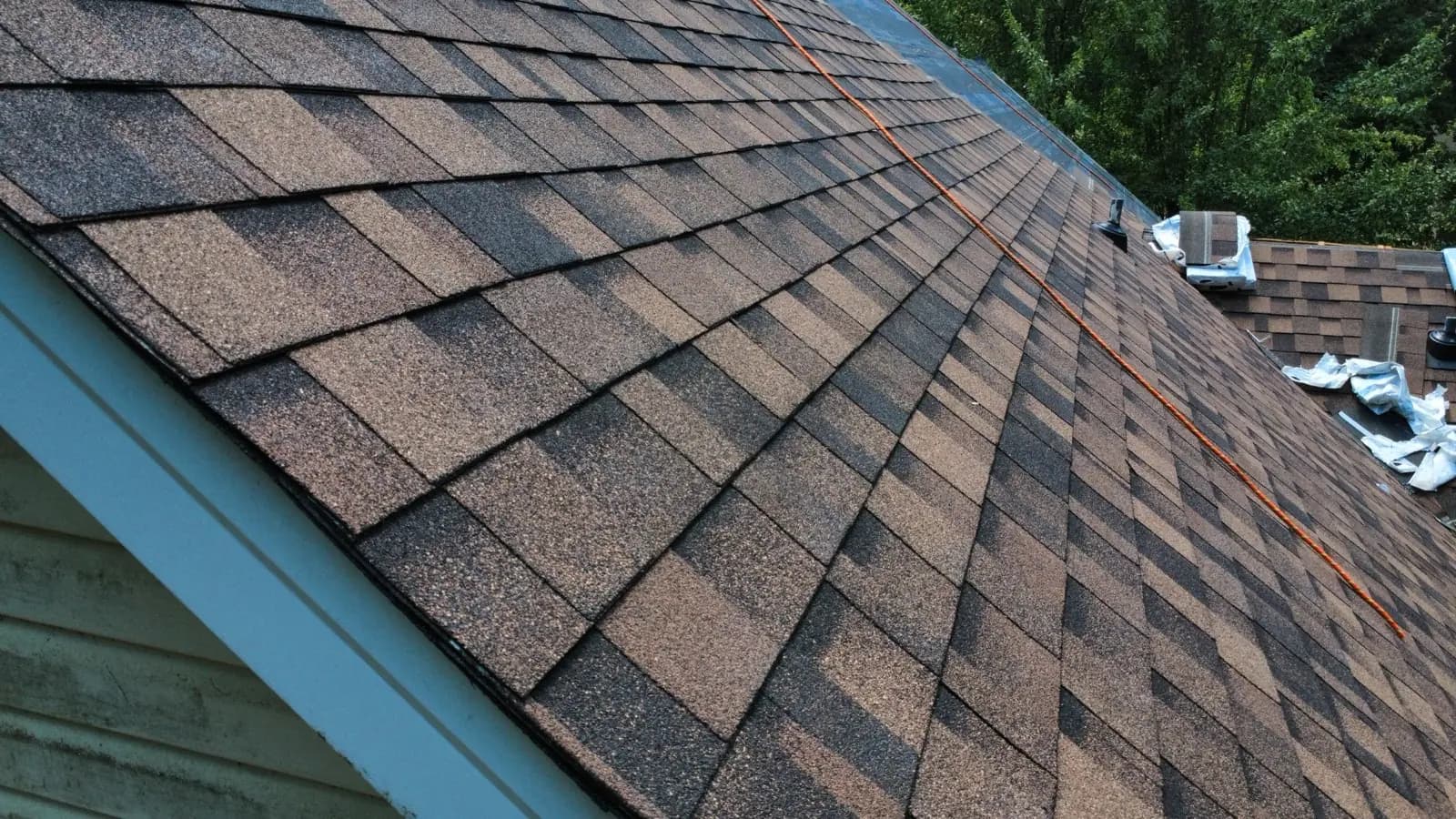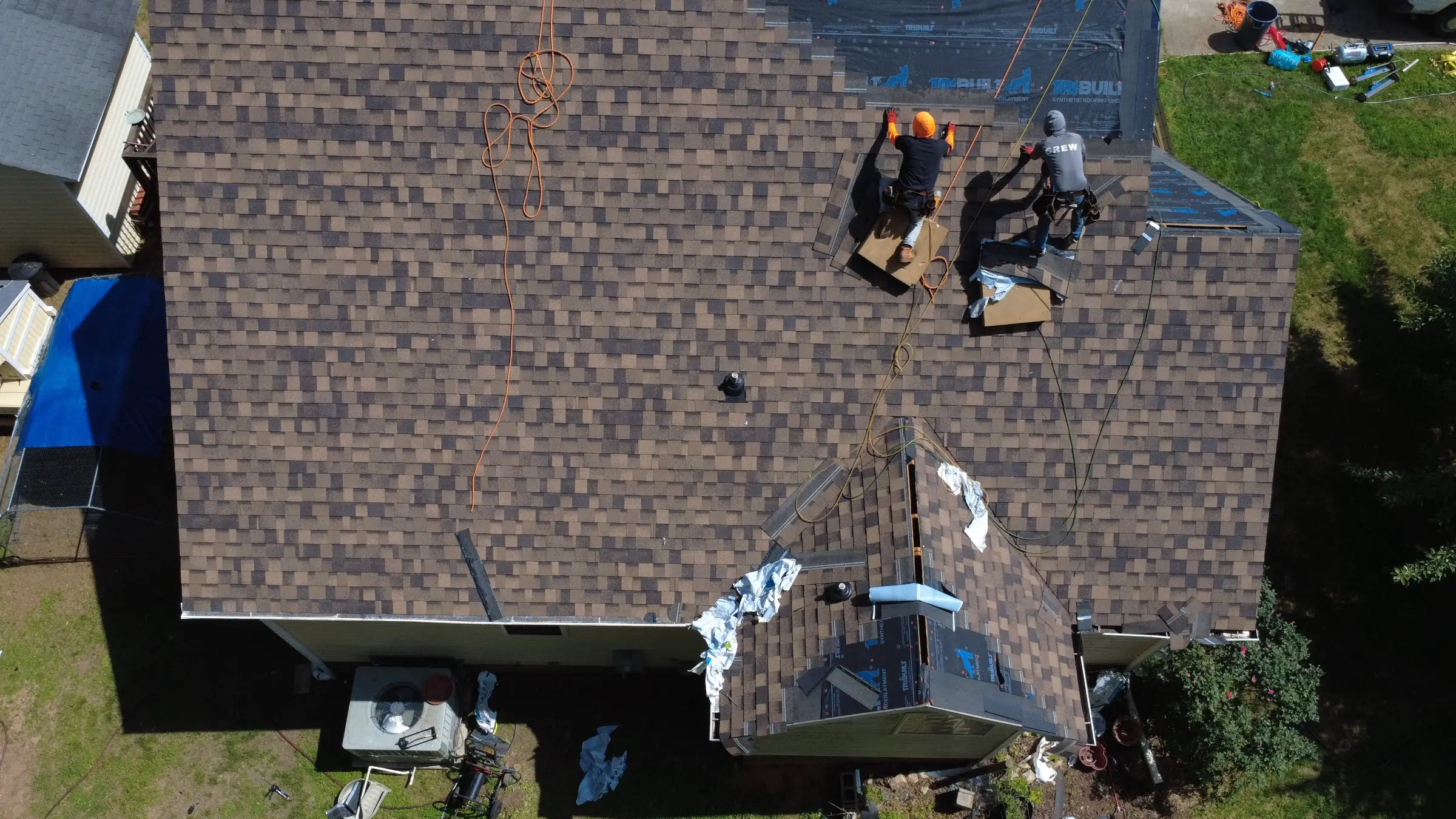
Atlantic hurricane season runs June 1 through November 30. The severe-thunderstorm season that produces most NC hail damage runs roughly April through September. By the time the National Weather Service is naming a tropical system off the Carolina coast, it is too late to do most of what is on this list. Get the prep done before Memorial Day weekend.
These are the twelve things we tell every NC homeowner to take care of before the season hits. Some are quick — a 15-minute photo walk around the house. Some take a phone call to your carrier. None of them require a contractor on site (though one of them is the strongest argument we can make for getting a pre-season inspection).
The 12-step checklist
Pull out your declarations page and read it
The declarations page is the one- or two-page summary at the front of your policy. Find four numbers on it: the dwelling coverage limit, the standard deductible, the wind/hail deductible (often a percent of dwelling, not a flat dollar amount), and the loss-settlement basis on the roof — RCV, ACV, or RCV with an age-conversion clause.
On a $400,000 dwelling, a 1 percent wind/hail deductible is $4,000. A 2 percent deductible is $8,000. That is real money you owe before the carrier pays anything. Knowing this in advance is much better than finding out during a claim.
Save a digital copy of your policy
Save the full policy PDF — not just the dec page — to your phone, email it to yourself, and put a backup in cloud storage. After a major storm, the carrier's call center will be hours of hold time, and pulling up the policy yourself shortens every conversation that follows.
Take pre-storm baseline photos of every elevation
Walk the perimeter of the house with your phone and photograph every elevation, every gutter, every soft-metal surface, and every elevation of the roof you can see from the ground. This is the single most useful 15 minutes you can spend on storm prep. Photos with embedded timestamps establish the pre-storm baseline and blunt any future "wear and tear" argument from a carrier.
Modern phones automatically embed date, time, and GPS in every photo. You do not need a separate app. Just walk around with the camera and click. Save the album labelled with the date — "May 2026 baseline" — somewhere you will find it later.
Photograph the inside of the attic
If you can access the attic safely, take photos of the underside of the roof decking, the insulation condition, and any existing minor staining. Pre-storm interior photos make it easy to distinguish new water intrusion from old staining if a leak develops post-storm.
Get a pre-season roof inspection if the roof is over 10 years old
The case for a free pre-season inspection: if there is any existing damage from a prior event you never claimed, documenting it now means the next storm cannot cover it as a new event (which would not be claimable anyway). And if the roof is fine, you have a written baseline from a roofer to point at if a carrier disputes the post-storm condition. We do these for free — scheduling is open.
Clear gutters and downspouts
Clogged gutters in a storm event back water up under the shingles at the eaves. Storm-driven rain hits at high volume, and a gutter with last fall's leaves in it cannot move the water through. The classic post-storm leak is a backed-up gutter, water under the eave, soft fascia three months later. A 30-minute gutter cleaning cuts that risk.
Trim back tree branches near the roof
Anything overhanging the roof is a tree-strike risk in high wind. A 30-foot pine branch in a 60-mph gust will go through a roof. Trim back branches that overhang the roof itself or the gutters. Pay attention to dead or partially-dead trees within strike distance — those come down in tropical systems.
Check skylights, vents, and roof penetrations from the ground
Look up at every roof penetration and note anything visibly cracked, lifted, or sealant-only. Cracked pipe boots are the single most common pre-storm leak source we see — they fail slowly, then a hard rain pushes water in all at once. A boot replacement is a 20-minute job for any roofer; doing it before the storm prevents the post-storm interior repair.
Walk the inside of every room
Photograph every ceiling and the upper walls of every room in the house. Same baseline argument as the exterior photos. If a leak develops post-storm, it shows up against this documented baseline of "what every ceiling looked like in May."
Confirm your insurance carrier's claim phone number and storm-event protocol
Find your carrier's post-storm claim line — it is often different from the regular customer service number — and put it in your phone contacts. Some carriers have a separate mobile app for claim filing with photo upload; download it and log in once before you need it.
Stock a basic post-storm kit
One or two heavy-duty tarps, a roll of plastic sheeting, duct tape, a flashlight with fresh batteries, and a hard copy of your insurance policy in a waterproof bag. The basics that buy you 24 hours of sanity if power goes out and a roof breach develops overnight.
Know who you are calling — pick a roofer before you need one
The worst time to evaluate a roofing contractor is the 48-hour window after a major storm hits your neighborhood. That is when door-knockers and out-of-state crews descend. Pick a local roofer now — local NC office, NC license number, real reviews — save the number, and you skip the chaos. Read roofing storm chaser red flags for the full list of what to look out for.
FREE INSPECTION
If your roof is more than ten years old, a pre-season inspection is worth doing before June — we climb up, document the baseline condition, and give you a written report to hold against whatever the storms bring.
What this is and is not
This is a homeowner-side checklist. None of it requires a contractor on site (except item #5, which is optional). All of it is free or near-free. The cumulative time investment is about two hours over a weekend. The payoff — if and when a claim happens — can be thousands of dollars in scope and weeks of compressed claim timeline.
It is not a roof inspection, not a structural assessment, and not a substitute for any professional work the roof actually needs. If you find anything during this prep that looks like existing damage — soft fascia, lifted shingles, a cracked pipe boot — call us before storm season hits. See how we handle storm response, and if you want a pre-season inspection, scheduling is open through the end of May.