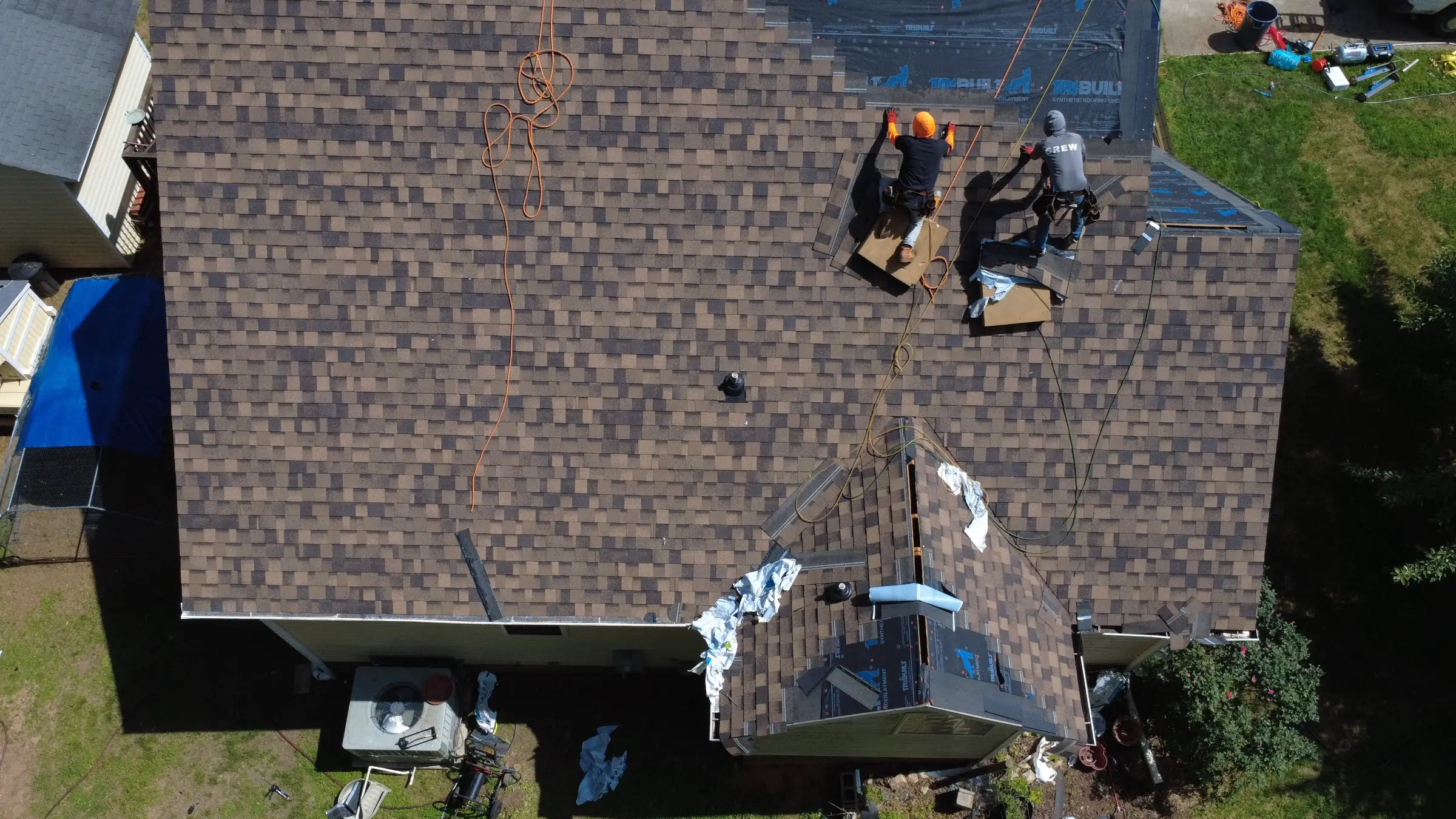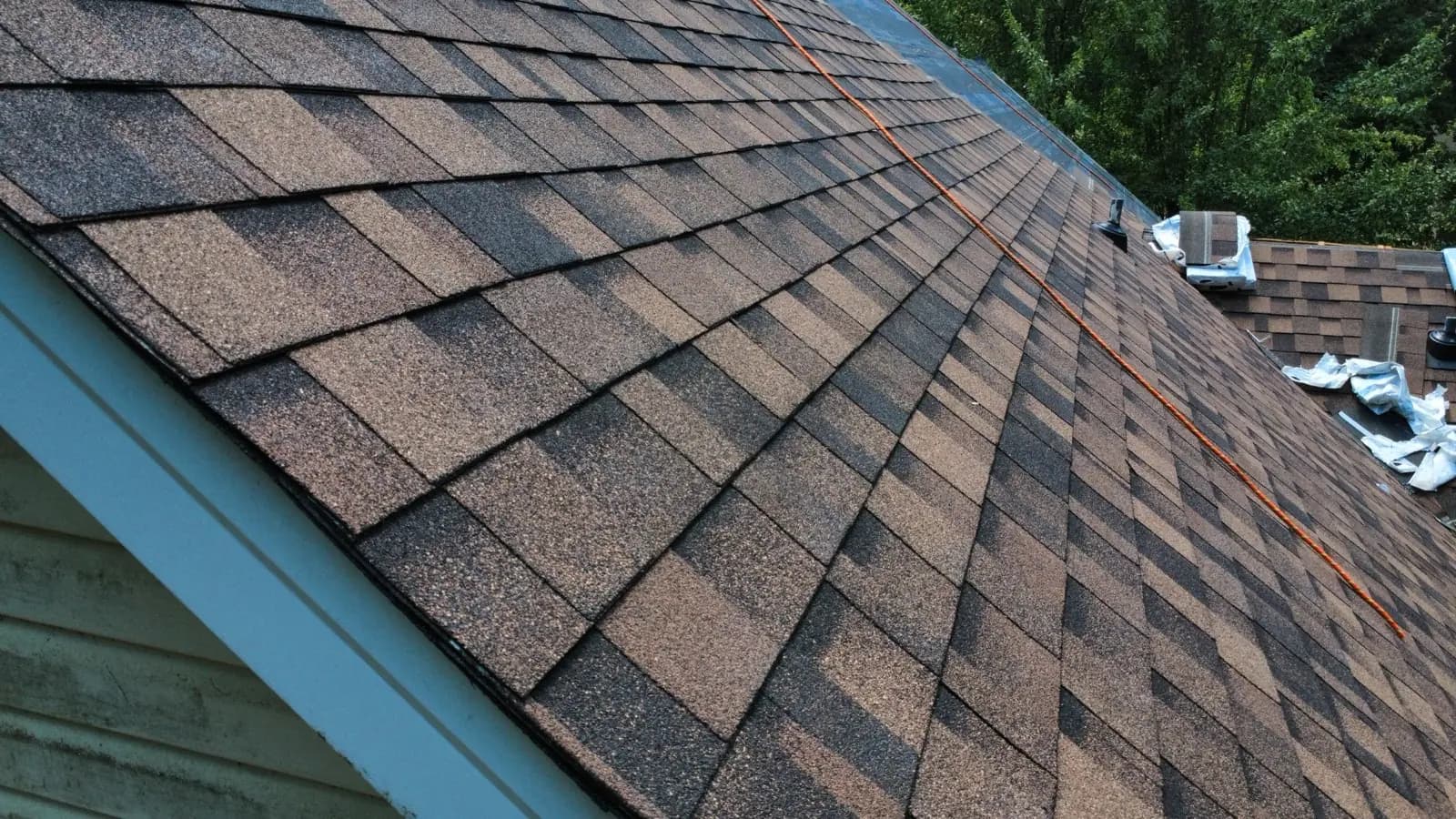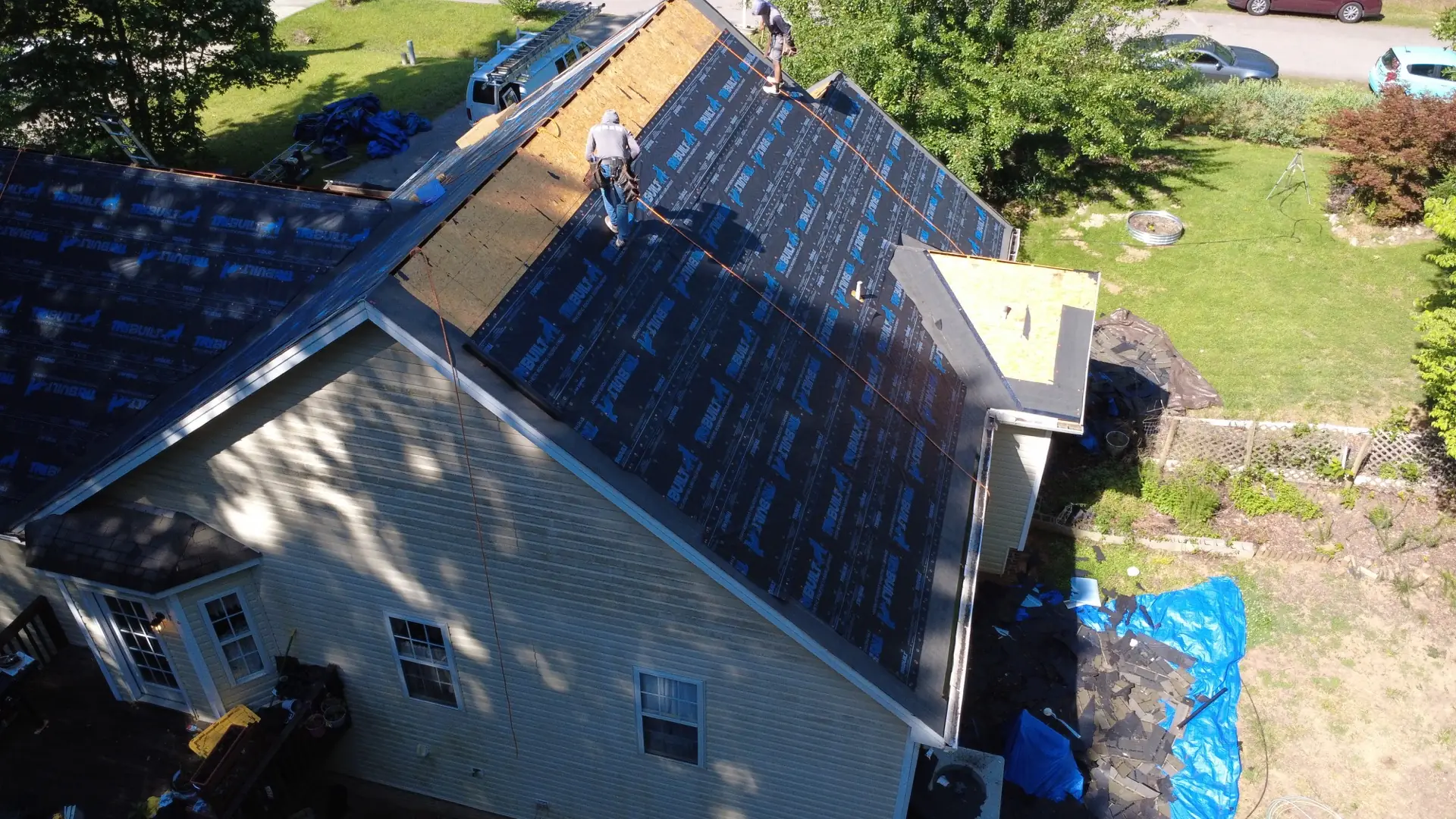
A storm hits and the clock starts ticking. Some of the deadlines on an NC homeowners insurance roof claim are written in your policy and matter a lot. Others are bad-actor patterns we see — fast-track adjustments, drive-by inspections, hand-shake settlements that leave money on the table. Knowing both helps you walk the claim at the right pace, not theirs.
This is the week-by-week timeline we walk every NC homeowner through on a free inspection. Eight numbered stages from Day 0 through final paid invoice, with what to do and what to watch out for at each one.
The deadlines that actually matter
Three numbers from your declarations page and the NC general statutes drive everything that follows:
- 30–60 days from date of loss — most NC homeowner policies require "prompt notice" of the loss event. Some spell out 30 days; some say "as soon as practicable."Read your policy. The clock starts the day the storm hits, not the day you noticed the damage.
- 1 year contractual filing window — most NC policies require the claim to be formally filed (not just reported) within 12 months of the date of loss. After that, the carrier is on solid ground refusing it.
- 3 years statute of limitations on suit — NC general statutes give you up to three years to sue for breach of contract on an unpaid or underpaid claim, but practical experience says the further out you get from the loss, the weaker the evidence and the harder the recovery.
The 8-step timeline
Day 0 — the storm event
Hail, wind, or tropical-system winds come through. The damage either is or is not done in this hour. Everything afterward is documenting it, filing it, and getting it paid.
What to do: stay safe, stay off the roof, photograph soft-metal damage from the ground (gutters, AC unit, screens), pick up a few of the largest hailstones and put them in the freezer. Do not call your insurance carrier yet.
Bad-actor pattern: the door-knockers arrive. Within 24 to 48 hours of any named storm in NC, out-of-state crews show up canvassing neighborhoods. They will offer to "handle your insurance claim" and "cover your deductible." Both of those phrases are red flags. Read roofing storm chaser red flags before you sign anything.
Days 1–3 — get a free roofer inspection
Before you call the carrier, get a documented inspection from a roofer who will tell you straight whether the damage is claim-worthy. If your roof is fine, you avoid putting an unnecessary claim on your record. If the damage is real, you walk into the carrier conversation with photos and a written scope already in hand.
What you should get: a written report with timestamped, geotagged photos of every slope, every flashing, and every elevation. Drone footage where appropriate. A scope-of-work narrative. The report should be yours to keep whether or not you hire that roofer.
Days 3–10 — file the claim, set the inspection
Call your carrier and report the loss. Get the claim number. That is it. Do not agree to a fast-track adjustment, do not authorize repair work, do not sign anything from the carrier asking you to release them or waive future claims. Just open the file.
The carrier will assign an adjuster and schedule an inspection — usually within seven to ten days. Coordinate so your roofer can be there when the adjuster shows up.
Bad-actor pattern: some carriers offer a "rapid settlement" or "cash-out" option that pays a small flat amount in exchange for closing the claim. On any real damage, this is almost always far less than what the actual scope is worth. Decline politely and wait for the inspection.
Day 10–14 — the adjuster meets the roof
We meet the adjuster on the roof on every claim we run. Items found jointly on site are far harder to dispute than items submitted afterward as a supplement. The inspection lasts about an hour on a typical residential roof. The adjuster takes photos, measures, and runs damage counts in test squares.
What goes into the carrier's estimate is determined here, so this is the highest-leverage hour in the entire claim. The difference between a homeowner who has a roofer present and one who does not is, in our experience, often thousands of dollars in scope.
Days 14–21 — the Xactimate estimate arrives
The adjuster turns in the report and the carrier produces an Xactimate estimate — line items, quantities, prices. You receive a copy. Read it line by line.
Common things missing on initial estimates we see in NC: drip edge, ice-and-water shield in code-required locations, ridge cap on every slope where damage exists, code-required deck nailing patterns, code-upgraded ventilation, and like-kind matching for shingles no longer manufactured. The list goes into the supplement.
Days 21–30 — the first check arrives
Once the claim is approved, the carrier mails the first check. On a true RCV policy, the first check is ACV minus your deductible — with the recoverable depreciation held back for after the work is done. On an ACV-only policy, the first check is the only check.
See our walkthrough of RCV vs ACV with a worked example for the math on what each check actually covers.
Days 30–45 — the work happens
Materials get ordered, the install gets scheduled. Most NC residential tear-off jobs are one day on the roof. Once the roof is done, the contractor submits a final invoice with completion photos to the carrier.
Anything uncovered during the tear-off — soft decking, missing ice-and-water shield, code-required upgrades — goes in as a supplement to the carrier at this stage.
Days 45–60 — the depreciation check, supplement response, sign-off
On an RCV policy, the depreciation check arrives 7–14 days after the carrier confirms the final invoice and photos. The supplement response (approved or denied per item) usually arrives in the same window. Once both are in, the claim closes.
On a contested claim — denial, underpayment, or a major supplement dispute — this stage stretches. Plan for the possibility that a supplement might require a re-inspection, another round of documentation, and another 30–60 days. We have run claims that closed in six weeks and claims that took six months. Both can end with the homeowner whole.
FREE INSPECTION
If you want a roofer on the roof when the adjuster shows up, that is the highest-leverage hour in the whole claim — the inspection is free, and our documentation changes what ends up in the scope.
How bad-actor timelines compare
Storm-chaser crews compress this whole process. They knock on the door inside 48 hours, sign the homeowner the same week, push through a fast-track adjustment, install before the adjuster has even fully assessed, and disappear before any supplement could be filed. The homeowner ends up with the cheapest possible scope, no documentation, no warranty, and no recourse when the leak shows up next year.
A real claim runs at the pace of the carrier's process plus a few extra weeks for documentation and supplements. If a contractor is rushing you to sign before the adjuster has even seen the roof, that is a tell. Your claim is not on their schedule. It is on yours.
If you are already in the middle of one
We pick up claims at every stage. If the adjuster has already come and gone, we can request a re-inspection. If the estimate arrived underpaid, we can write the supplement. If the claim was denied, we can read the denial letter and tell you honestly whether it is worth fighting. Send us the paperwork — free 30-minute review at the kitchen table, no obligation, no contract. Or call us direct: the owner answers the phone.